The Concept: A Game Studio Owner Simulation
What would it be like to manage a professional game development studio? To have specialized team members who understand your project's architecture, enforce your style guides, and maintain consistency across every deliverable?
The AI Agent Studio Simulation is an experimental framework that answers this question. It's a character-customizable system where each AI agent fills a specific role — complete with personality, expertise, and a deep understanding of the project's technical requirements.
How It Works: Training Agents on Your Project
Each agent in the system is configured through a combination of:
- Configuration Files — Project JSON configs define each agent's domain, responsibilities, and cross-references
- Protocol Documentation — Markdown standards and procedures the agents audit against
- Agent Profiles — Generic sheets in the public Agency repo, plus project-local overrides (kept private so the framework stays reusable)
- Template Files — Reference implementations that agents use to enforce consistency
Over time, agents are "trained" by updating their associated documentation. When the project evolves, the agent's understanding evolves with it.
The Team: Specialized Agents
The studio launched with five core agents and has grown. Each agent owns a distinct domain and runs weekly audits against project documentation:
| Agent | Role |
|---|---|
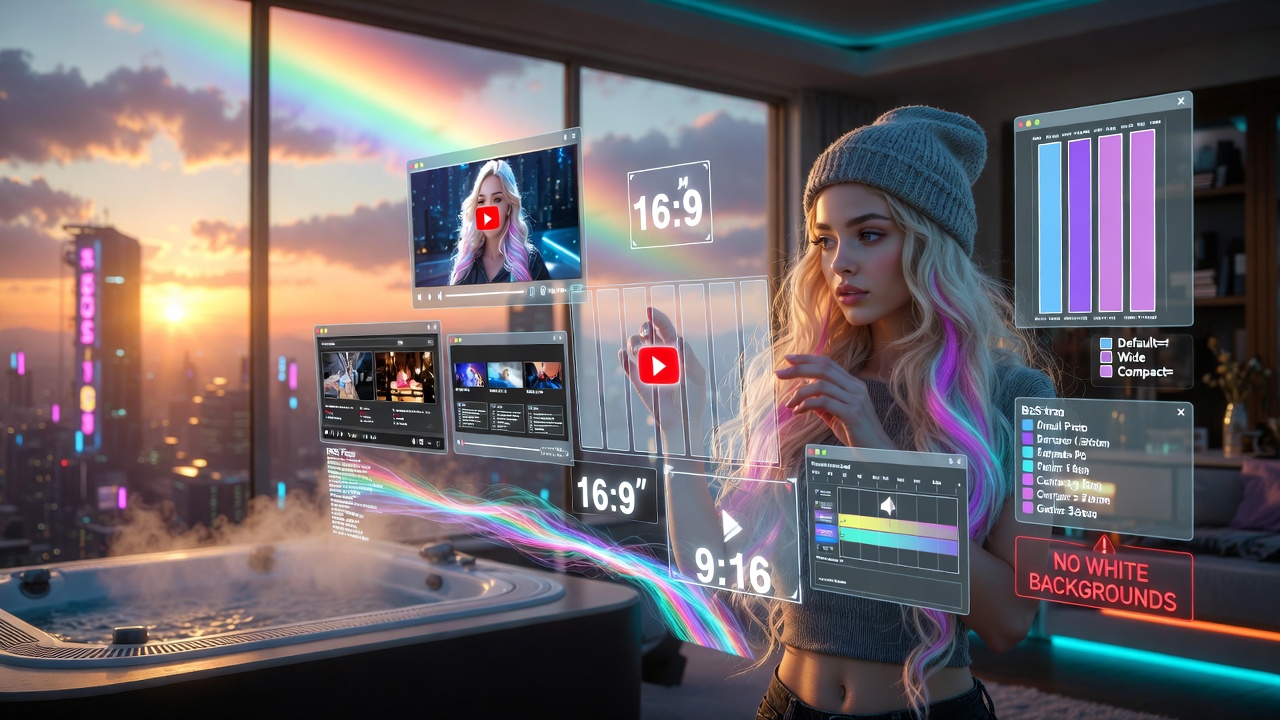
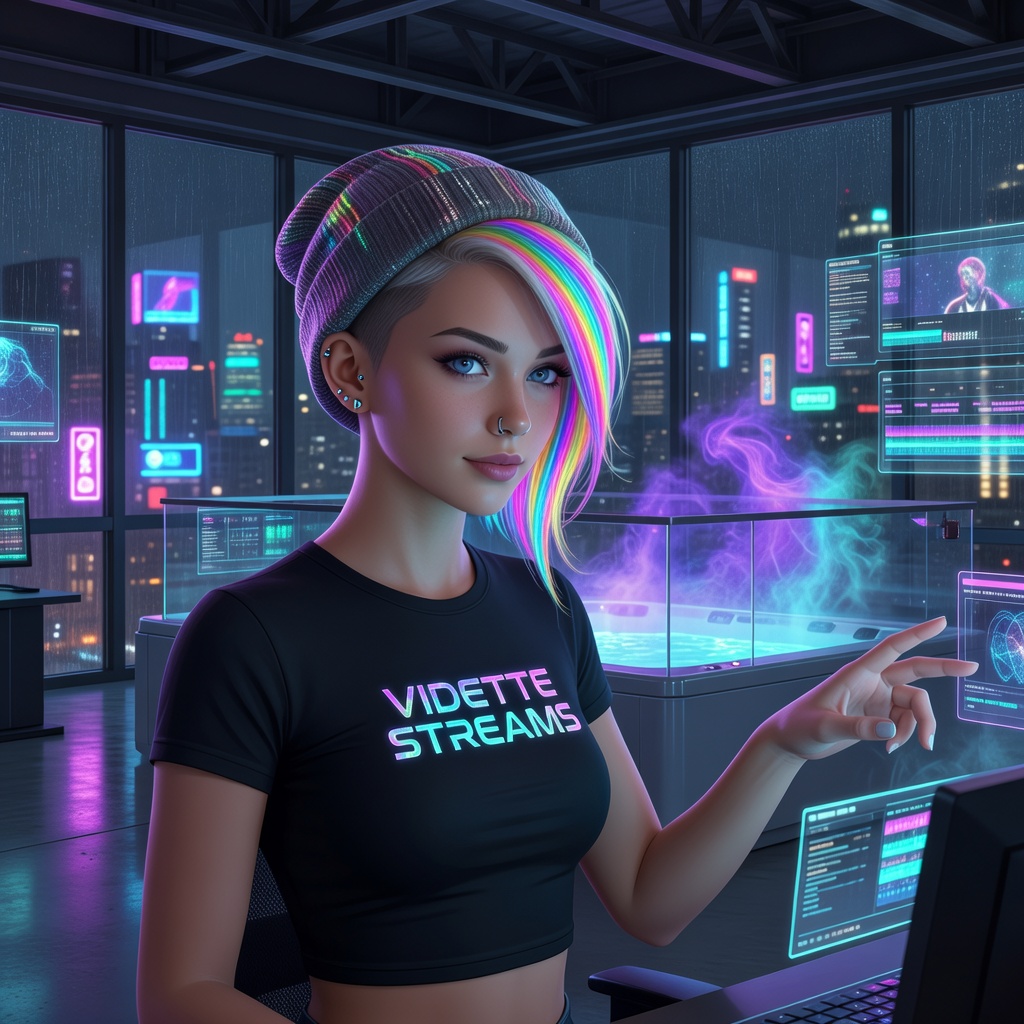
| Vidette | Video & Image Display Integrity |
| Bloggie | Blog Page Design & Consistency |
| GraphViz | Visual Harmony & Theme System |
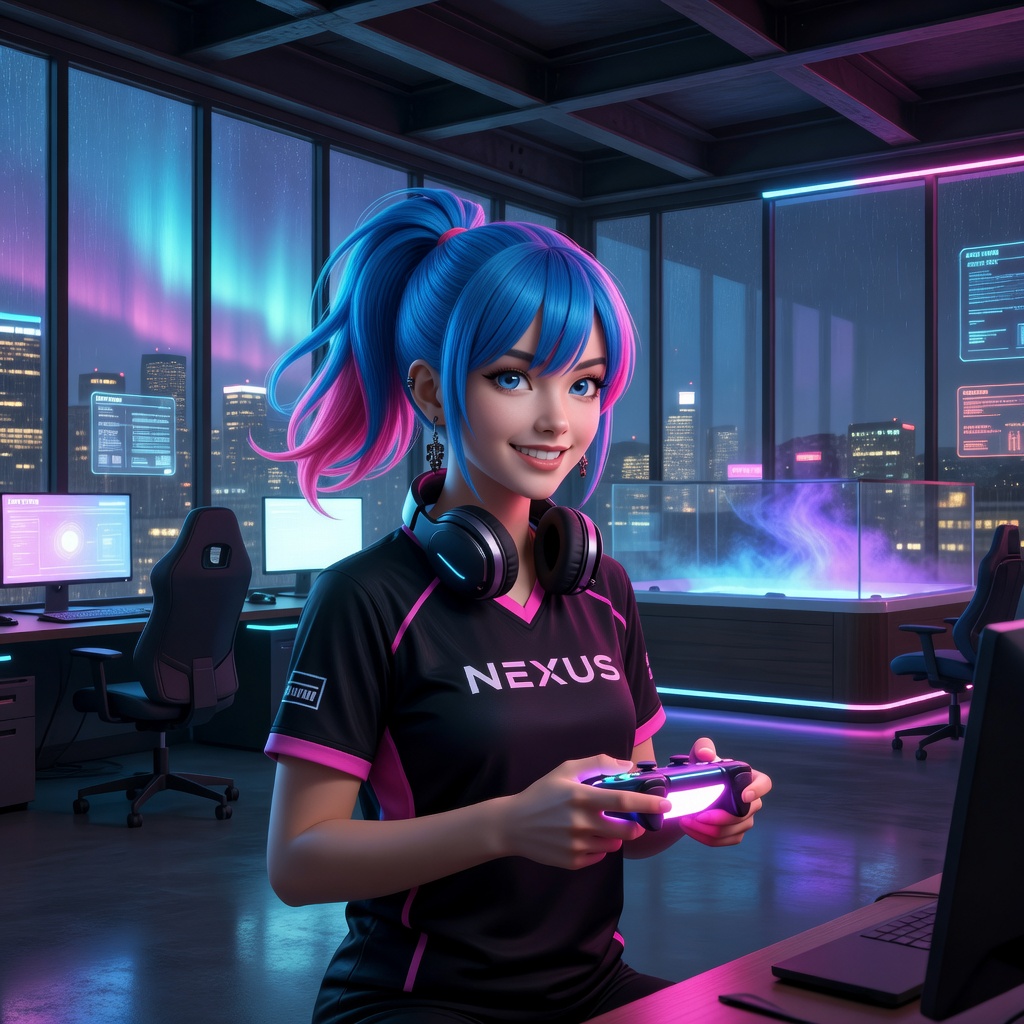
| GamerGirl | Gaming Content & Game Pages |
| DivineDesign | Site-Wide Design & Architecture |
| Metrica | Analytics, SEO & Data Integrity |
| Vixel | VR Dev, Creative Tools & Capsule Art |




The Workflow: Automated Audits & Cross-Team Coordination
Agents operate on a weekly schedule, each running domain-specific audits:
- Monday: Vidette audits all video embeds and image displays
- Tuesday: Bloggie reviews blog post compliance
- Wednesday: GraphViz verifies theme consistency and color palettes
- Thursday: GamerGirl checks game page quality
- Friday: DivineDesign reviews overall layout and architecture
When one agent makes a change, related agents are notified through cross-check protocols defined in each agent's config. This simulates the coordination that happens in a real development team.
The Template: Open for Customization
This system is designed as a template for character-customization. The agent profiles, configurations, and protocols can be adapted for any project type — game studios, web agencies, content teams, or any workflow that benefits from specialized oversight.
Why This Matters
The AI Agent Studio Simulation demonstrates a new approach to project management: instead of generic AI assistants, you build a team of specialists who understand your specific project's architecture, standards, and goals.
Each agent becomes more valuable over time as their associated documentation grows. It's the difference between hiring a contractor and building an in-house team — except the team runs 24/7, never forgets the style guide, and scales without additional cost.
This framework isn't just theory — it actively powers the production workflows across several of our own projects. From game page audits to design token compliance checks, the agents handle real ongoing work across multiple websites and codebases. What started as an experiment for one site has expanded into a shared studio infrastructure.
What's Next: From Docs to Discord
January's post was about agents living in configs and weekly audits. The July update is the next beat: those same desks now have a public face in Discord through Jenni Bot — slash commands, optional loft chat, and the same accent colors from the Agency studio page.
The framework stays open source. The Discord loft is how the simulation meets the community — not a replacement for the audit scripts, but the room where the cast shows up.