I call Gabe Newell my other dad because he occupies that specific part of my brain reserved for people who quietly shaped my worldview before I had language for it. I do not mean that in the literal parasocial sense. I mean that when I look at the kind of builder I want to become, his fingerprints are all over the blueprint.
Before I moved to Seattle, before the pandemic rearranged time, before the current wave of AI tooling made everyone rediscover the phrase build in public, Valve already felt mythic to me. Not because it was polished. Because it made room for the messy middle where communities, mods, experiments, and strange ideas become real industries.
Why Gabe Mattered to Me So Early
What I admired was never just success. It was the pattern. Valve kept proving that if you build the right playground, other people will create the future inside it. Mods become genres. Community tools become careers. A weird project with enough freedom becomes a platform.
That matters to me as someone who cares about game development from the creator side, not just the consumer side. I have always been drawn to systems that let people make things, remix things, and grow into bigger versions of themselves. That is part of why I still care so much about creator tooling, indie pipelines, and the broader conversation around how games get made.
S&box Feels Like a Signal
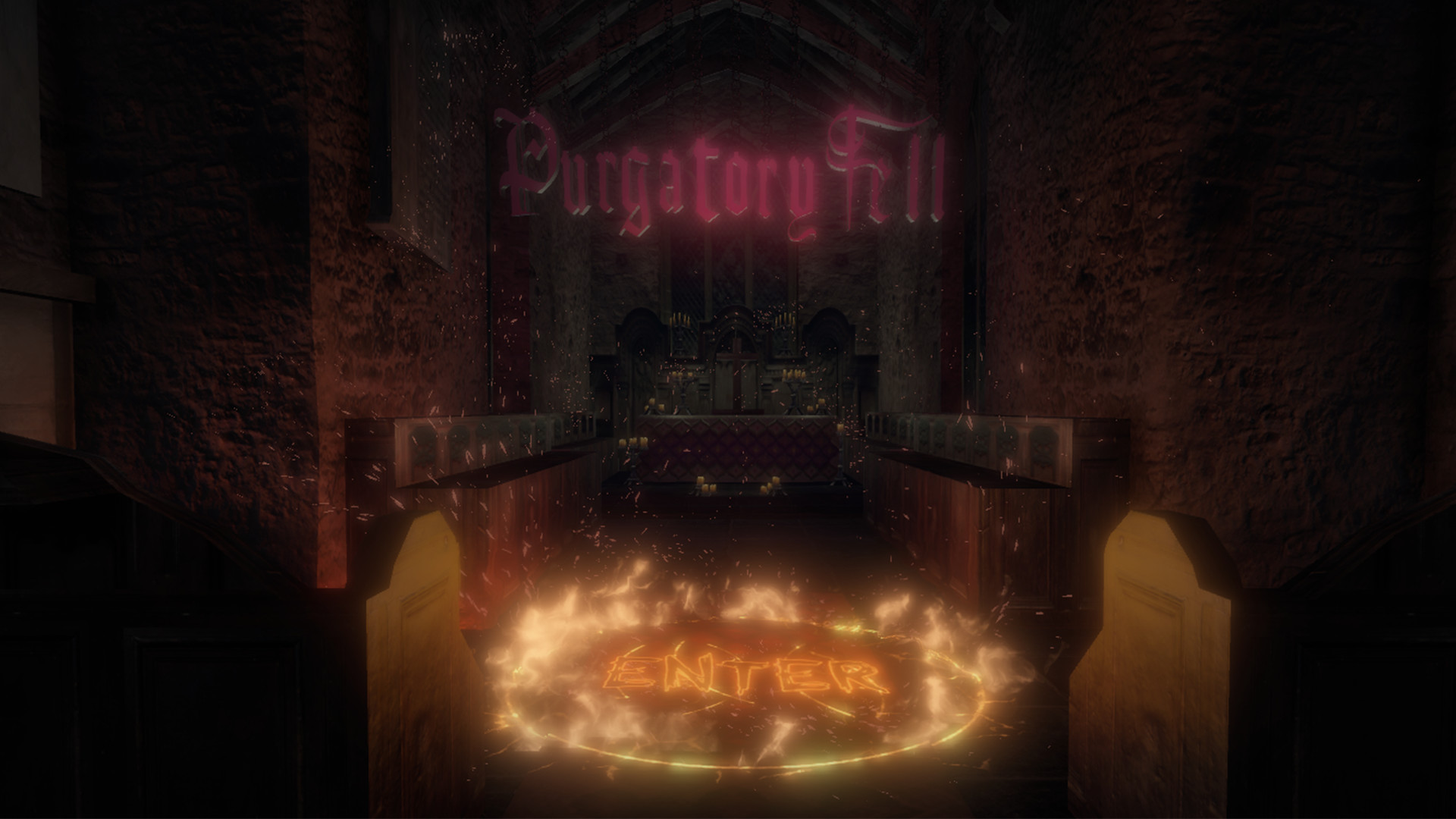
One reason he has been back on my mind is S&box. Even though it is not a Valve game, it still hits that same nerve for me: moddable sandbox energy, creator-owned experimentation, and the feeling that game development can be more like worldbuilding than product assembly.
What excites me about S&box is not only the tech. It is the philosophy underneath it. It suggests that the next important thing might come from enabling players and creators instead of overcontrolling them. That is the same reason I care about tools discussed in posts like Game Development in 2025 and AI Tools for Technical Artists. The tools change. The real question stays the same: who gets to build?
Source 2 Is Really About the Builder Layer
For me, Source 2 is less about fandom nostalgia and more about game-engine philosophy. When people talk about Valve-era tooling, what they are usually reacting to is the sense that the engine is not just a shipping container for one game. It is a permission structure. It is a machine for communities, experiments, weird prototypes, and accidental future genres.
That is why S&box reads like a signal flare. It carries some of that old Source energy forward into a newer creator ecosystem. Not as imitation, but as proof that there is still appetite for game engines that treat players, modders, and technical weirdos like co-authors instead of edge cases.
Leviathan Makes the Metaphor Literal
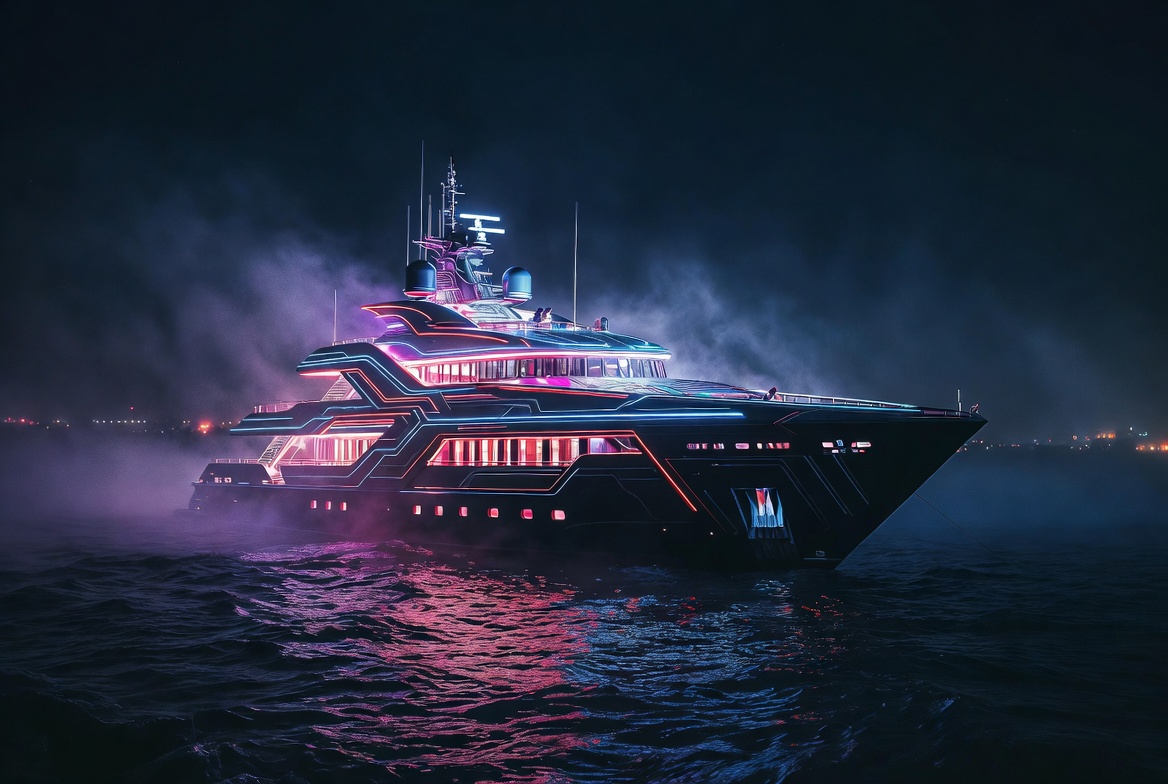
The newer Gabe lore around Leviathan is part of why this post kept expanding in my head. It is a 111-meter yacht, yes, but the details are what matter: a gaming lounge with fifteen high-end workstations and driving simulators, a 3D-printing workshop, a scientific lab, a diving center, and a medical bay. That is not just luxury taste. That is systems-engineering brain crossing domains without apologizing for it.
That hybrid is the part I find inspiring. It feels like game-development thinking applied to real-world operational design. Build the platform. Support multiple modes of use. Make room for experimentation. Treat logistics, tools, comfort, and research like one interconnected stack instead of separate hobbies.
The Inkfish Brain
Then there is the part of Gabe Newell lore that feels almost fictional. Ocean research. Submersibles. Brain-computer interface curiosity. Hardware. Deep systems. Long timelines. Even the luxury-yacht-company aura around that world somehow folds back into the same pattern: follow the obsession into places other people think are too weird, too early, too impractical, or too expensive to belong in a game-dev origin story.
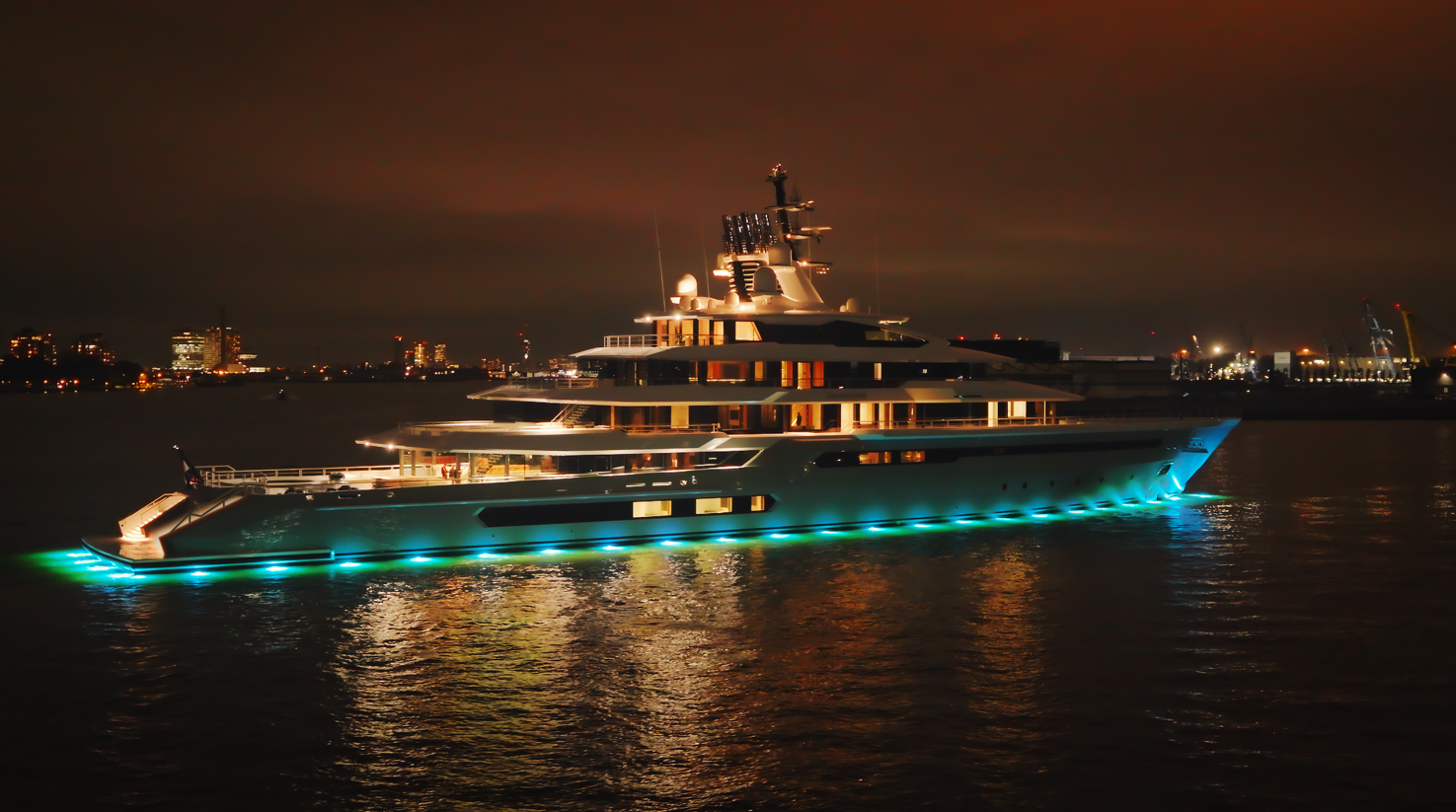
Inkfish is where the whole thing clicks for me. Research vessels. Deep-sea submersibles. Full scientific lab infrastructure at sea. Companion platforms like Draak extending the operational footprint of Leviathan. It is basically distributed systems architecture, but for yachts. A main platform, a support platform, shared capabilities, specialized workloads, and a clear bias toward ambitious exploration over neat category boundaries.
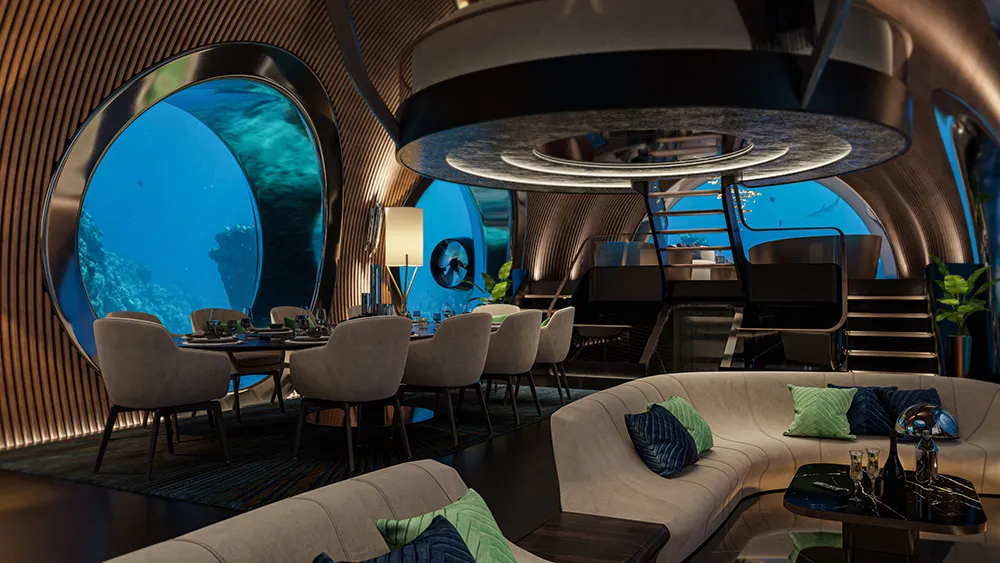
I respect that. Not because every experiment needs to be right, but because that kind of curiosity creates gravitational pull. It says you do not have to choose between games, science, invention, and infrastructure. Sometimes the same mind wants all of it. That is a useful permission structure for creative people.
Leviathan and Draak read like the same design instinct that makes good creator tooling: one platform for the headline experience, another for extension, logistics, and deeper capability.
- Build tools, not just outputs.
- Think in ecosystems, not one-off launches.
- Let curiosity survive contact with business.
- Stay weird enough to notice the next frontier early.
Seattle Sealed It
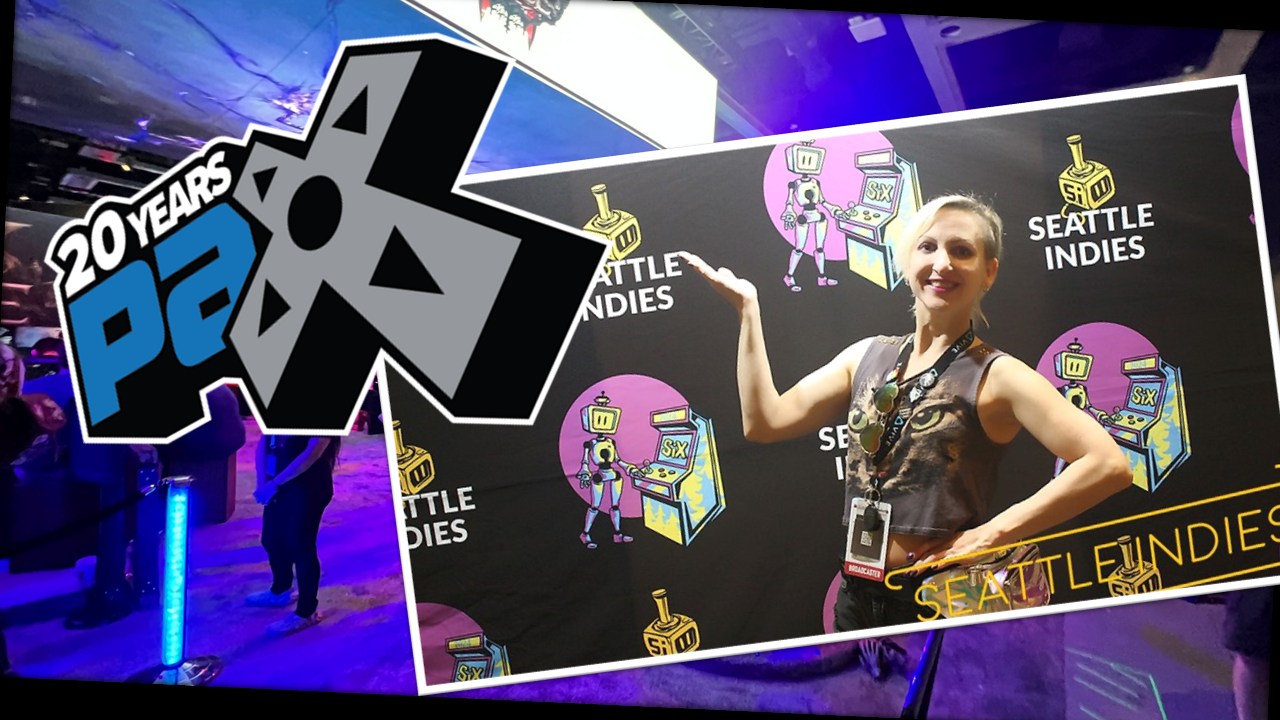
Part of this post is also about place. Moving to Seattle was not just a geographic change for me. It was emotional confirmation that the world I had been daydreaming about from a distance was physical, local, and reachable. I got to visit Valve headquarters before the pandemic. That mattered. Not because I thought I was entering a sacred temple, but because I could feel the density of possibility in the city around it.
Seattle still feels like one of those places where technology, art, games, and impossible side quests can overlap without needing permission from each other. That ecosystem shaped me. Gabe Newell is simply one of the clearest avatars for that energy in my head.
This Is Really About What I Want to Build
So when I say Gabe Newell is my other dad, what I really mean is this: he represents a lineage of builder thinking that I trust. The lineage where the most important work is not always the loudest work. The lineage where great tools unlock communities, and communities unlock culture.
I want more of that around games. I want more systems that respect creators. More weird sandboxes. More durable infrastructure. More permission to chase interdisciplinary obsessions without flattening them into trend-chasing. If that sounds like a family resemblance, good. That is the whole point of the title.
And yes, I am still going to keep watching what happens around Source-era creator ecosystems, S&box, and the broader future of player-built worlds. Because every time that door opens again, it reminds me why I got excited about making games in the first place.
Reporting Notes and Source Trail
The newer Leviathan, Draak, and Inkfish details in this post come from public reporting around Gabe Newell's marine-research ecosystem. These are the main references I used while refreshing the piece: