In memoriam
Alice the Wonder Cat
March 31, 2008 — May 26, 2026 · 18 years
Alice passed peacefully on May 26, 2026. She was at home, with her people, comfortable. This post was written during her final weeks as a resource for anyone caring for a senior cat in a similar situation. It remains here because the information is still useful — and because Alice deserves to be remembered.
A second community fundraiser helped fund her final care. To everyone who donated in 2019 and again in 2026: thank you. She had more time because of you.
Read Alice's memorial pageAlice
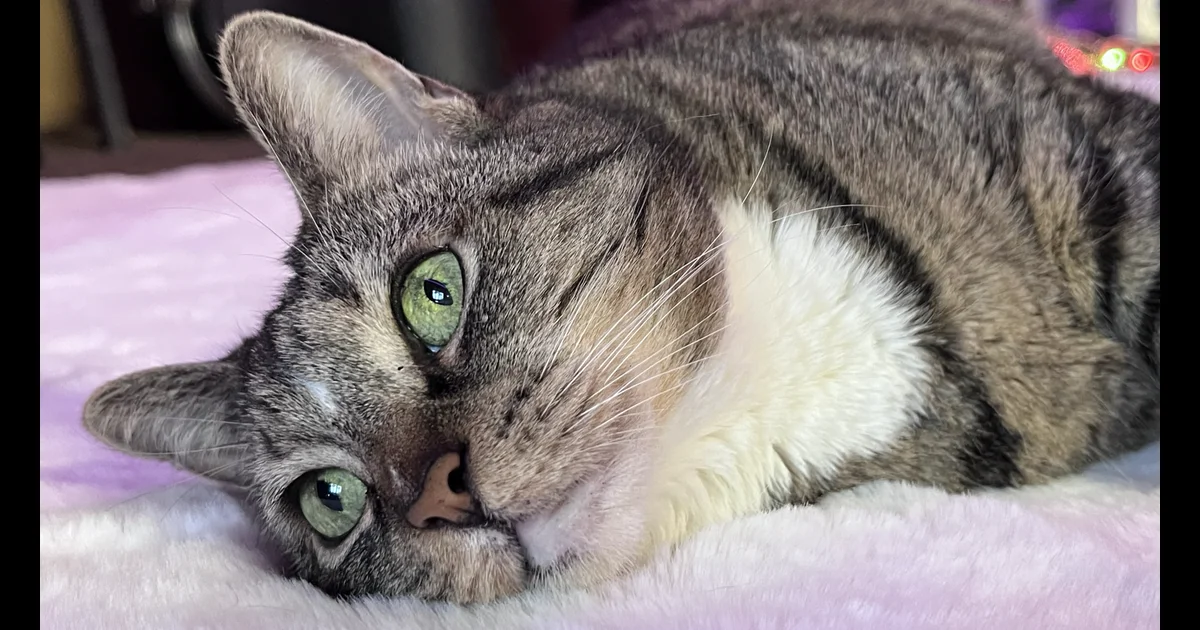
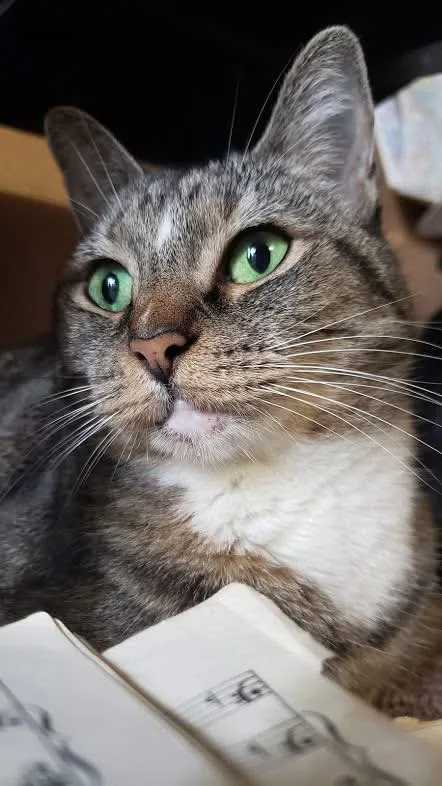
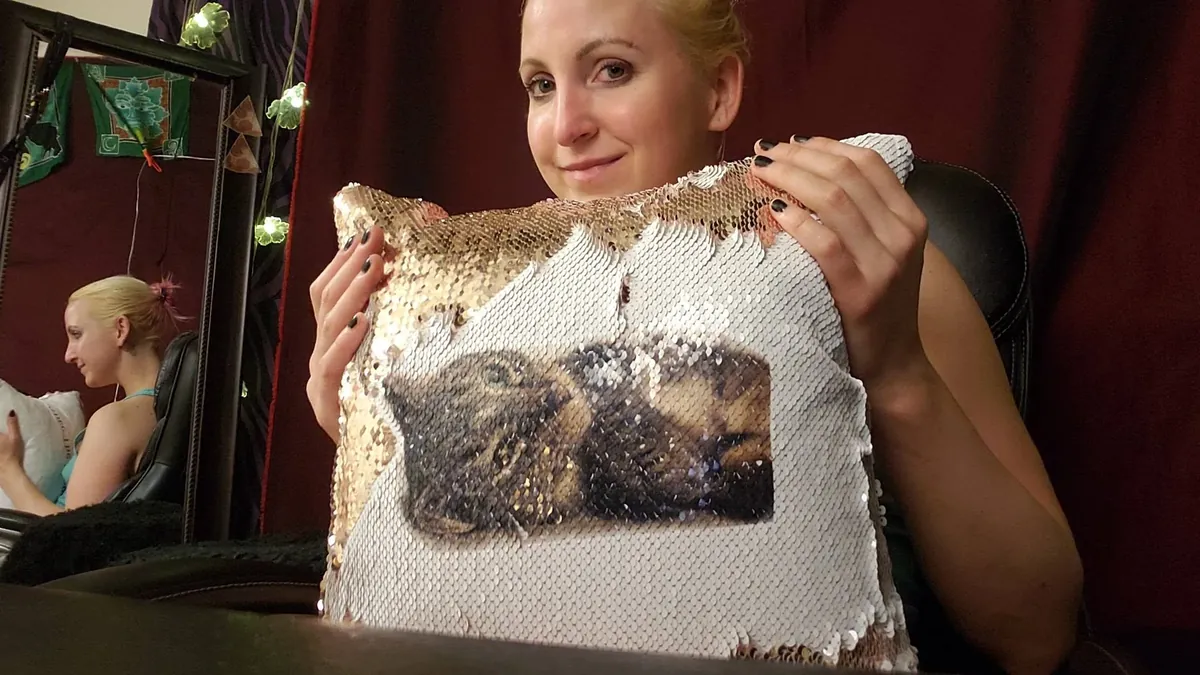
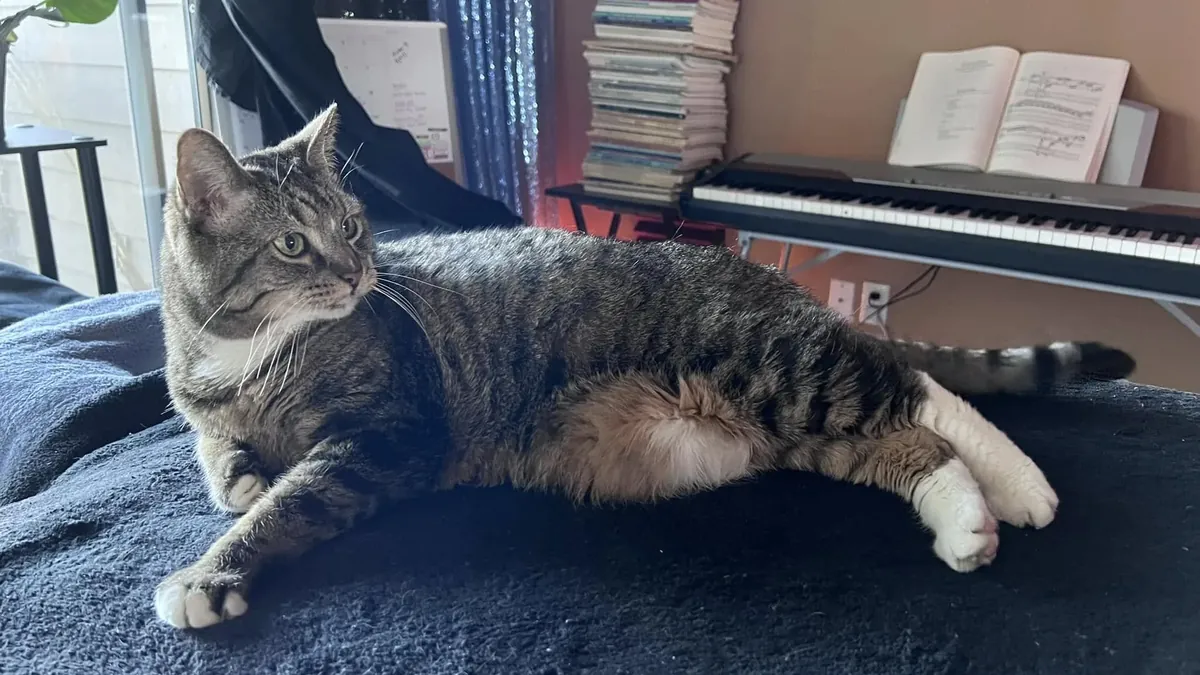
Alice was a grey and brown domestic shorthair. She turned 18 on March 31, 2026. She was diagnosed with hyperthyroidism in 2019 and treated successfully with radioactive iodine (I-131) — a procedure funded by a community fundraiser, because that's the kind of thing that becomes possible when people show up for each other. It worked completely.
In late 2024, the hyperthyroidism came back. Alongside it: Chronic Kidney Disease. Two conditions that interact in complicated, sometimes contradictory ways — and that require more careful monitoring than either one alone.
This post is what we learned managing both at home with vet guidance. It's not medical advice. It's notes from someone who spent two years reading research papers at 1am and paying very close attention to an 18-year-old cat who still had opinions about everything.
The Core Problem: CKD and Hyperthyroidism Fight Each Other
Here's what most people don't know until their vet explains it: hyperthyroidism in cats actually masks how bad CKD is. The elevated thyroid hormones increase blood flow to the kidneys, which makes kidney values look better than they are. When you treat the hyperthyroidism — which you have to, because untreated hyperthyroidism causes heart disease — the kidney disease that was always there becomes visible.
This means the methimazole dose has to be calibrated carefully. Too little: thyroid disease progresses. Too much: you trigger iatrogenic hypothyroidism, where the medication over-suppresses the thyroid and the resulting low thyroid function actually accelerates kidney decline. It's a narrow target.
What Home Care Actually Looks Like
Sub-Q Fluids
This is the most impactful single intervention for a CKD cat outside of a clinic. The kidneys can't concentrate urine properly anymore — the cat drinks more but the kidneys still fall behind. Subcutaneous fluids (given under the skin at the scruff) supplement that. Research found around 85% of owners found it manageable, and 89% of cats tolerated it well when fluids were warmed first and followed immediately by a treat.
The vet team teaches you the technique in clinic. The hurdle is the prescription and the first authorized session at the vet — after that, it's genuinely doable at home.
Phosphorus Binders
Phosphorus retention is one of the main drivers of CKD progression. The prescription kidney diet restricts dietary phosphorus, but sometimes it's not enough. Phosphorus binders trap phosphorus in the gut before it's absorbed — but only if given with food. Mixed in dry or wet food at mealtime; no food, no binding.
B12 Injections
B12 (cobalamin) deficiency is extremely common in cats with CKD and GI disease, and it causes a constellation of symptoms that look like general decline: fatigue, nausea, poor appetite, weight loss. These are also symptoms of CKD itself, which is why B12 deficiency often goes unrecognized. Injectable B12 bypasses the gut absorption issues that often come with these conditions. The vet teaches the injection technique at clinic — it's subcutaneous, same principle as the fluids.
Diet
The evidence for renal diets is strong. A randomized controlled trial found 0% uremic episodes in cats on renal diet vs. 26% in the control group. Alice was on Hill's K/D wet food. The guidance her vet team gave, which we'll repeat: eating anything is more important than eating the perfect diet. If she won't eat the kidney food, something else is better than nothing.
The Quality of Life Question
We tracked Alice monthly on the HHHHHMM scale — Hurt, Hunger, Hydration, Hygiene, Happiness, Mobility, More Good Days. Each category scored 1–10. Above 35 out of 70 is considered acceptable quality of life. Below 35 is the signal to have a harder conversation with your vet.
This scoring system doesn't make the hard decisions for you. But it does give you data, and data is better than grief when grief is trying to make the call.
End-of-Life Planning
We started thinking about this in January 2025. Not because it was imminent — because we refused to be in a position where the only option was an emergency room at 2am.
We found a home euthanasia service in our area. They offer in-home visits: a doctor comes to your house, the process is gentle (a sedative, then the final injection), and the doctor stays for everything. Alice was in her own space, with us, not in a carrier in a waiting room.
We're sharing this because planning ahead makes it possible to give your pet a peaceful death instead of a panicked one. Look for home euthanasia services in your area while you still have time to be calm about it.
The Free Senior Cat Care Tracker
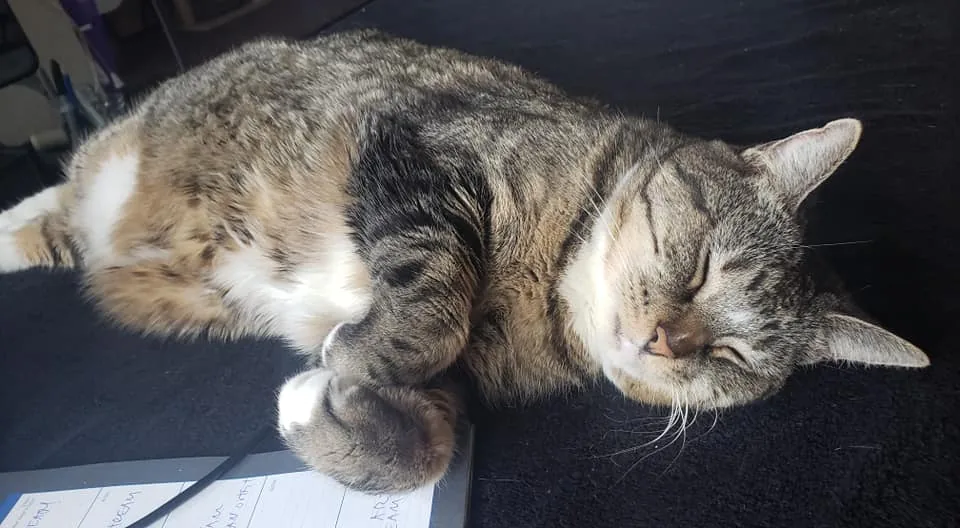
Everything we built while caring for Alice is available free on GitHub — structured, printable templates for tracking everything that matters when a senior pet's health is complex and the stakes are high. No app required. Works alongside your vet's care, not instead of it. Built for cats; adaptable for dogs.
The example/ folder contains a complete tracker based on Alice — all seven files filled in with her real data, so you can see what a year of observations actually looks like before you start building your own.
The Markdown tracker lives in senior-pet-care. If you also want an optional visual layer, the Dashboard seed kit includes a pets profile — weight, quality-of-life scores, fluids, red flags — with fictional demo data so you can see the layout before filling in your own cat’s chart. It is not Alice’s medical records; her real observations stay in the Markdown templates above.
- Daily log — appetite, water, litter, energy, vomiting, skin turgor test
- Weekly weight log — trend notes and historical comparison
- Quality-of-life scoring — monthly HHHHHMM scale with guidance on what the numbers mean
- Medication tracker — what, why, dose, frequency, cost
- Vet visit history — itemized costs, findings, dispensed items
- Red flag reference card — print and put on the fridge
- End-of-life planning — options, costs, what to prepare ahead of time
MIT license — Markdown tracker = senior-pet-care; optional visual layer = demo data only, not Alice’s chart
It's free. No strings. If it helps your senior cat get better care, that's the whole point.
Alice the Muse
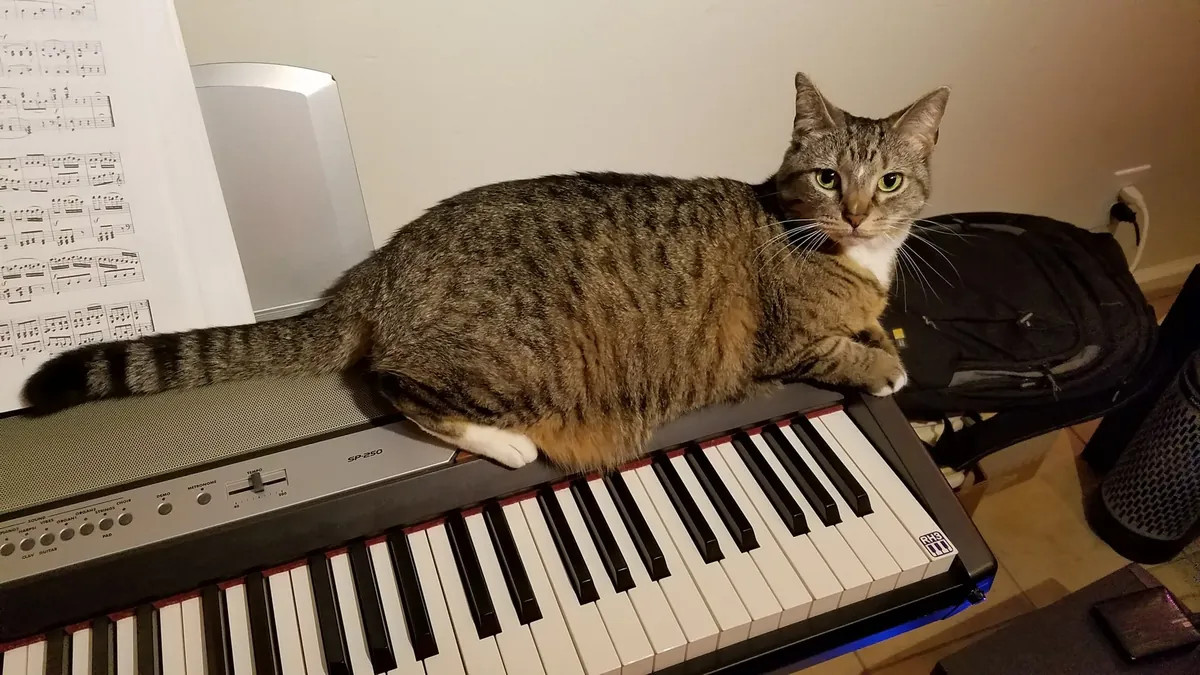
2017 — supervising as usual
Always supervising
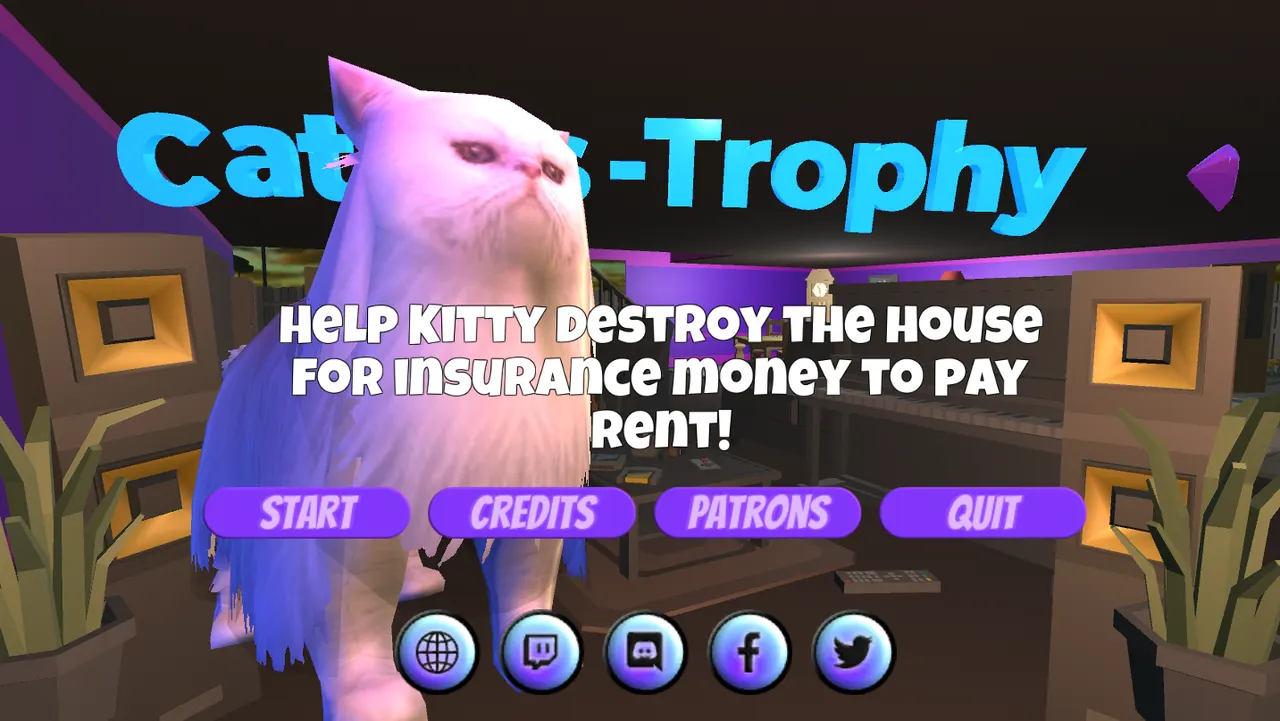
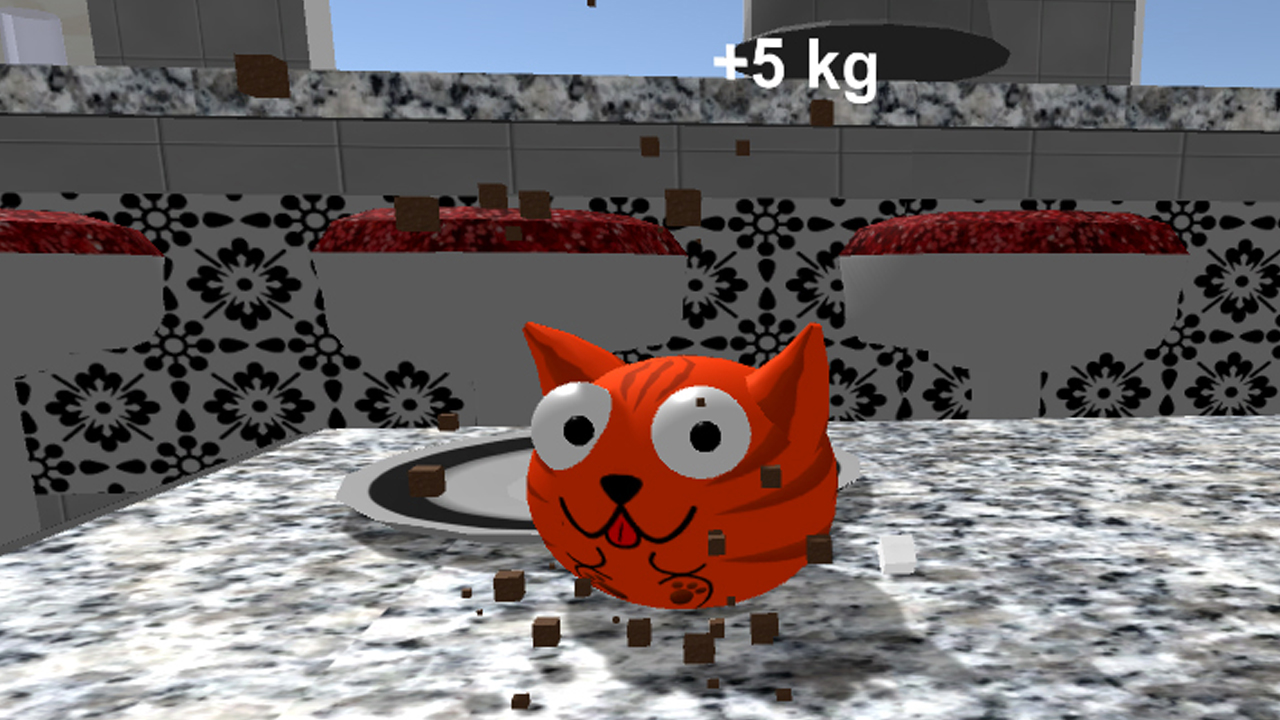
Alice was my creative companion since 2008. She's been in my art, in my devlogs, and quietly supervising every game jam from the corner of the desk. My first Unity platformer, Cat-As-Trophy, was made while she sat next to the monitor. The cat protagonist isn't exactly Alice — but she's the reason there's a cat at all.
She was there for everything. She left a grey tabby-shaped hole in the work. She always will.